
Congratulations to Josje Smulders, Master student Industrial Design Engineering at the TU Delft, who recently graduated! Her graduation project is called ‘Design for a reusable bicarbonate cartridge – Project on Circular Hemodialysis’.
In her graduation project, Josje worked on designing a reusable bicarbonate cartridge. A bicarbonate cartridge is a small container filled with bicarbonate, a substance that helps neutralize acids. During dialysis, the bicarbonate cartridge helps keep the blood balanced and stops it from becoming too acidic. Josje concluded in her research that by redesigning the bicarbonate cartridge into a reusable one, it can reduce the environmental impact by 45% compared to the single-use bicarbonate cartridge.
Science in 3 – Three insights from Josje’s research!
Science in 1 – Connecting the knowledge that is already there
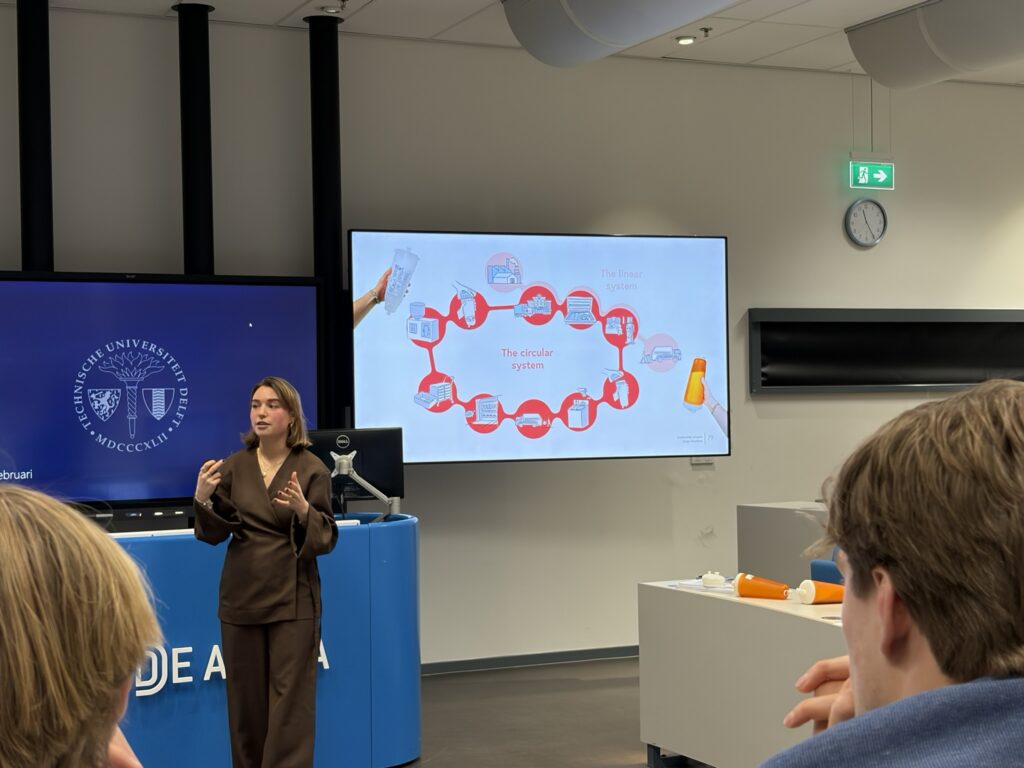
“As a student it was a valuable experience to talk to so many experts from the hospital. What I learned from these conversations was how much knowledge is already present, and that we simply had to connect this knowledge to create new meaningful insights. Receiving answers was not the challenge, it was asking the right questions to the right people. Interestingly, this approach also sparked curiosity by other people which created a shift in behaviour. Instead of telling people they need to do something differently, starting a conversation and connecting knowledge from different departments encourages them to reflect their practices themselves.”
Science in 2 – Alignment, trade-offs, and interrelated factors
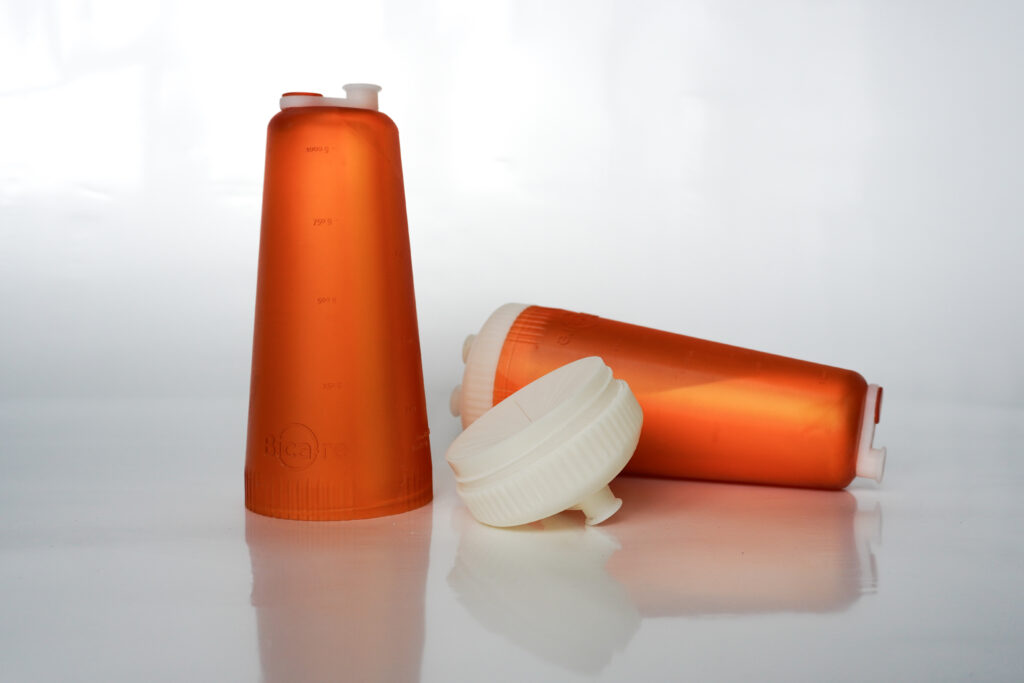
“The design of the reusable bicarbonate cartridge is just as important as the implementation of the circular system. The hospital is quite a complex system, but in the end, everyone wants an innovation that is an improvement on a safe, hygienic, ease of use, financial and an environmental level. The difficulty however is that these interrelated factors are often in trade-off with each other. By aligning with stakeholders, it became evident which values are true constraints in implementing a new product system, and on which values compromises can be made.”
Science in 3 – Small changes, Big improvements
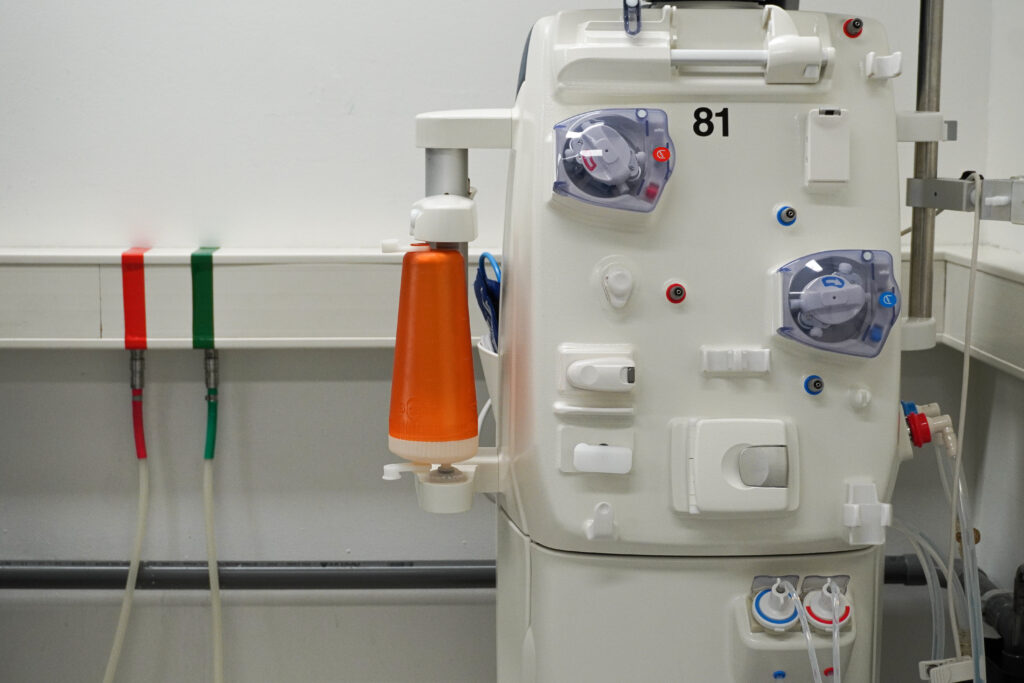
A last insight was how often environmental improvements do not require major innovations or new technologies. Sometimes, meaningful improvements can be achieved simply by re-evaluating existing protocols or looking at regulations with a more sustainable perspective. Patient safety will always come first, but protecting our planet is also part of protecting patients in the long term. By critically reviewing regulations and protocols hospitals can reduce their environmental impact simply by using things differently or using them less.
Josje’s project was supervised by Prof.dr.ir. Jan Carel Diehl – WP 5 Lead ESCH-R.


