
Congratulations to Cathelijn Bogers, Master Student Industrial Design Engineering at TU Delft, who recently graduated! Her graduation project is called ‘Towards Sustainable Cooling: Designing Reusable Cooling Pads for ICU Patients’.
Yearly around 300 patients at Erasmus MC receive targeted temperature management as a treatment. Currently, two methods are used at the hospital and a third was recently introduced and will be tested and implemented. All three cooling methods involve many disposable products. Amongst medical staff the question was raised whether this treatment can be improved with regard to sustainability.
Within the health sector many disposables are still used as opposed to reusables, due to the current profit system as well as hygiene and safety of patients. The thesis of Cathelijn aims to answer the following research question: How can a safe, feasible, sustainable cooling method for patients receiving targeted temperature management in hospitals be designed?
Three insights from Cathelijn’s project!
Science in 1 – Sustainable change is within reach
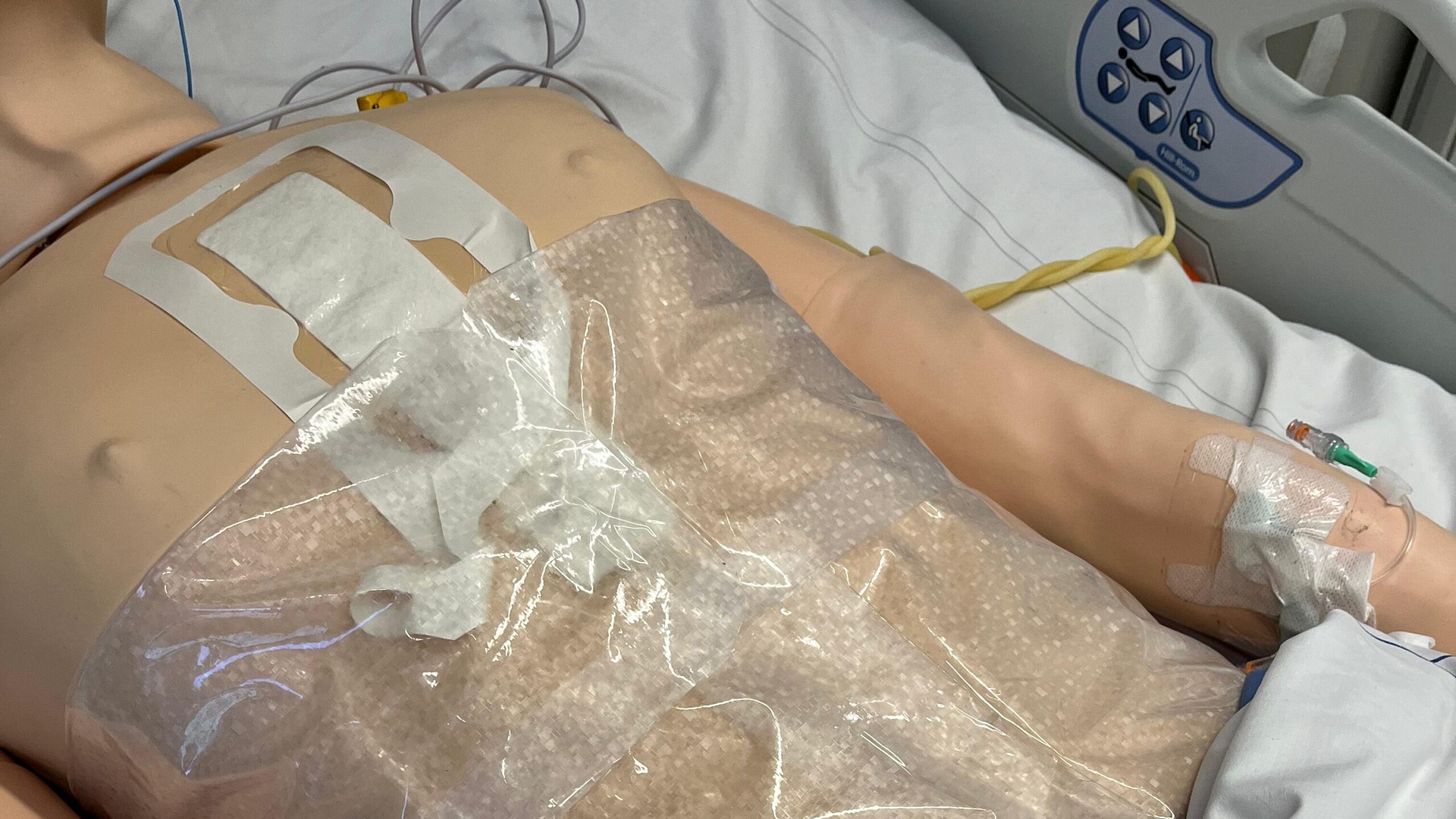
“Taking into account the wishes and requirements of all stakeholders involved, this project has demonstrated that it is certainly possible to develop a safe, feasible, and sustainable cooling method for patients in the ICU. By implementing the final proposed concept of the Clinichill, Erasmus MC would reduce disposable waste by 450 kg per year. One of the key added values of this project is that it has shown hospital staff that improvements in sustainability are realistic, even for externally used medical products. It also helped the people I collaborated with realize how many products rely on disposable materials when this is not necessarily required. By proving that change is possible, the project encourages them to seek improvements in other areas as well. Now, as a collective, we must bring manufacturers on board to contribute to a greener world.”
Science in 2 – Don’t undermine emotional impact of healthcare
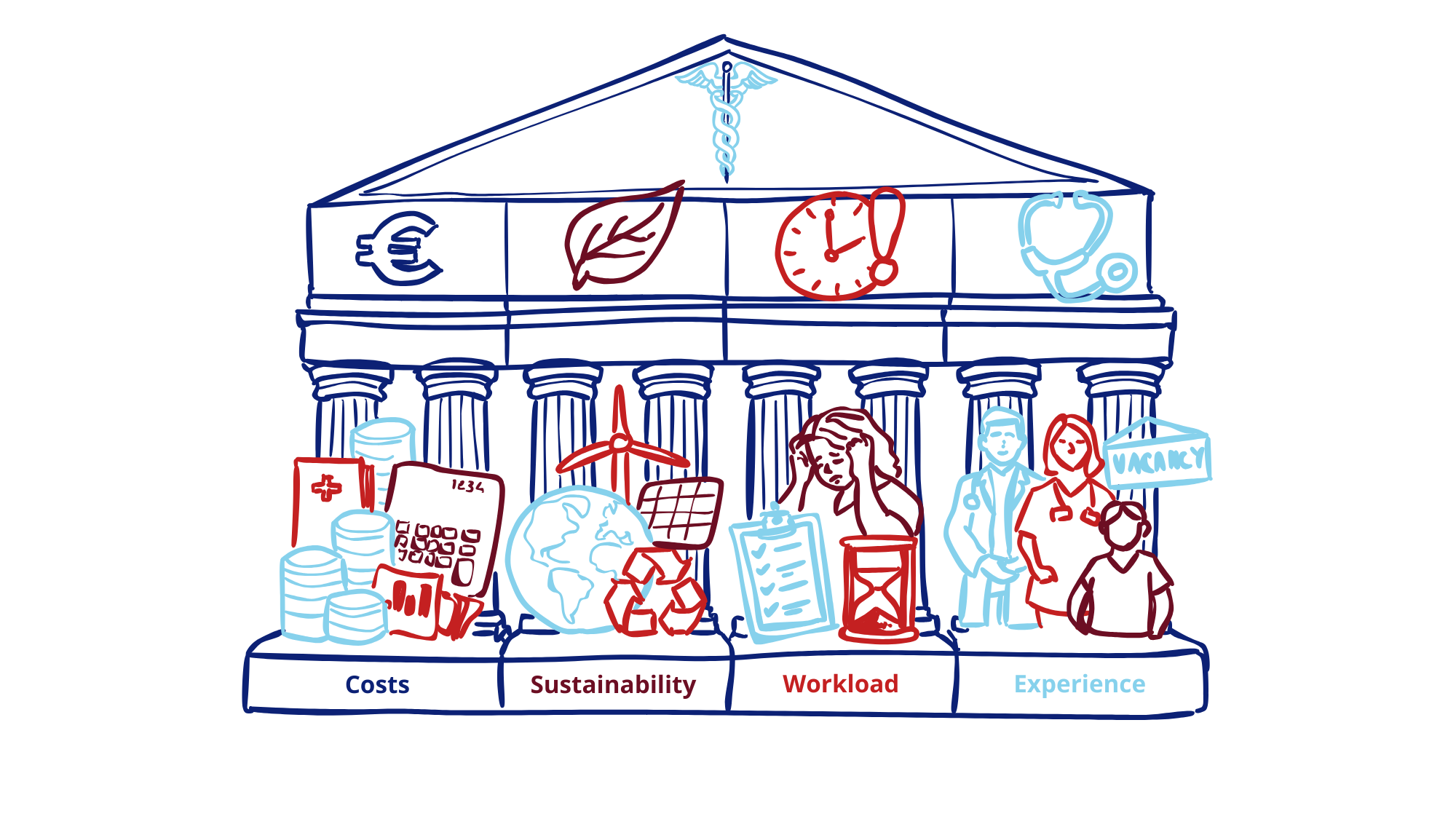
“The current cooling protocol and cooling methods were analysed to establish a fundamental understanding of the treatment. Our healthcare system and hospital treatments are often evaluated based on three pillars: time, workload, and cost. It quickly became clear that one important pillar is missing: the emotions of those involved, both medical staff and patients. These four pillars were therefore adopted and used to evaluate the methods at the end of the project.”
Science in 3 – Stakeholder involvement
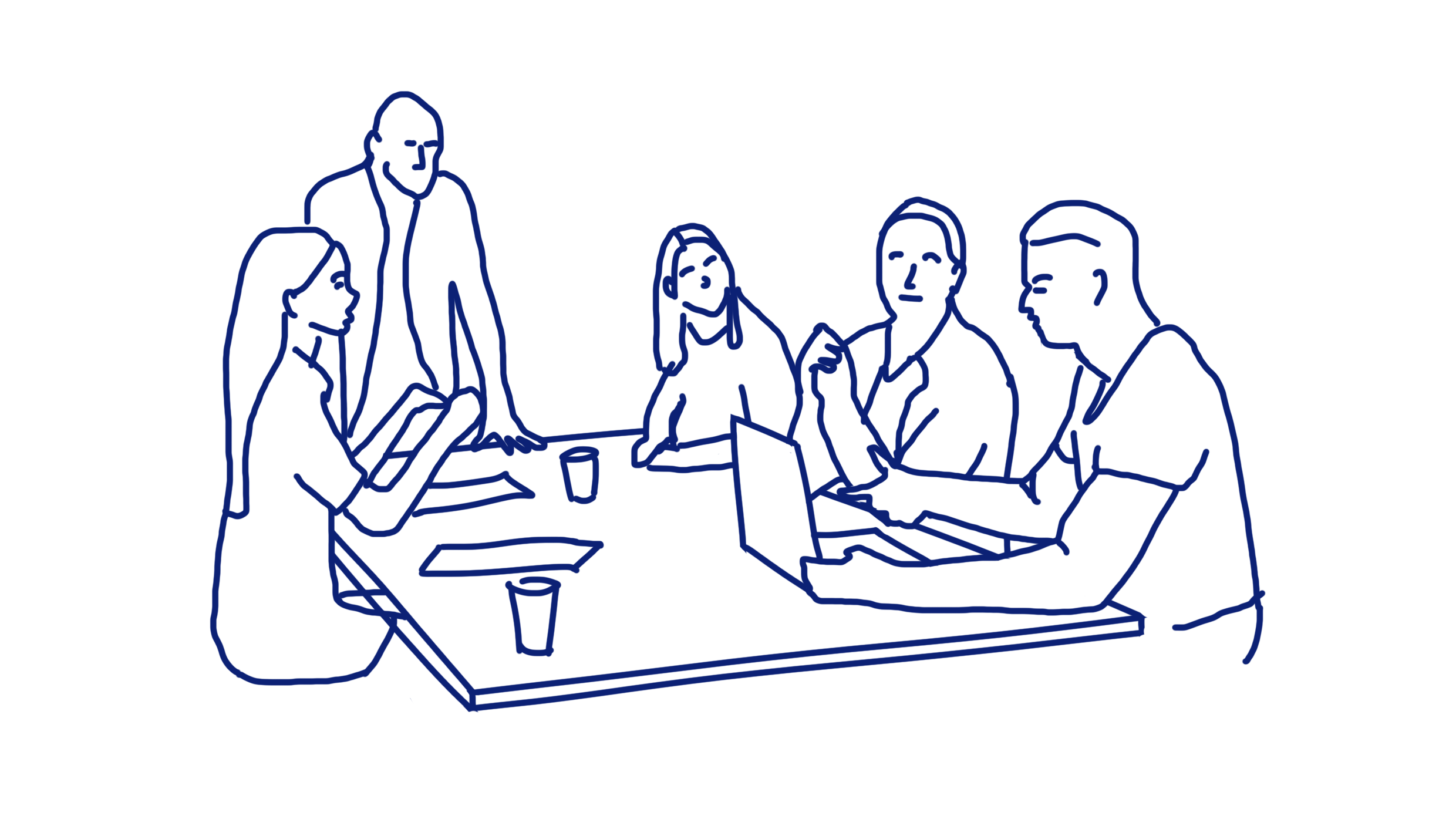
“It became clear that everyone in the hospital is willing to contribute ideas on how treatments can be made more sustainable. For this project, I involved three different target groups within the hospital. It soon became evident that each target group had different requirements and expectations for a product such as a cooling vest, and that each group was not always well informed about each other’s protocols and regulations. Visiting one another on the work floor would greatly improve mutual understanding, which would be an important step toward making healthcare more sustainable. Without speaking and listening to each other, it is difficult to make progress.”
Cathelijn’s project was supervised by Jan Carel Diehl (ESCH-R WP5 Lead, TU Delft), Nicole Hunfeld (ESCH-R PI, Erasmus MC) and Marijke Dekker (TU Delft).


