
Congratulations to Iris Borst, Dual Degree MSc student Innovation Management & Industrial Design at the @TU Eindhoven, who recently graduated! Her graduation project is called ‘Unlocking the Loop’, a case study on embedding circular business model innovation in the product development process for medical consumables.
Science in 1 – Bringing the perspectives together

“During this project, I learned that circular business model innovation does not entail gathering entirely new information. Organizations often possess enormous amounts of knowledge across product managers, R&D, or operations. The real challenge was bringing these perspectives together and creating awareness of how choices can trickle down and affect the organization. By guiding their collaborative exploration and discussion and presenting systemic connections and relations, it helps organizations explore how circularity in business models can be shaped.”
Science in 2 – Context matters!
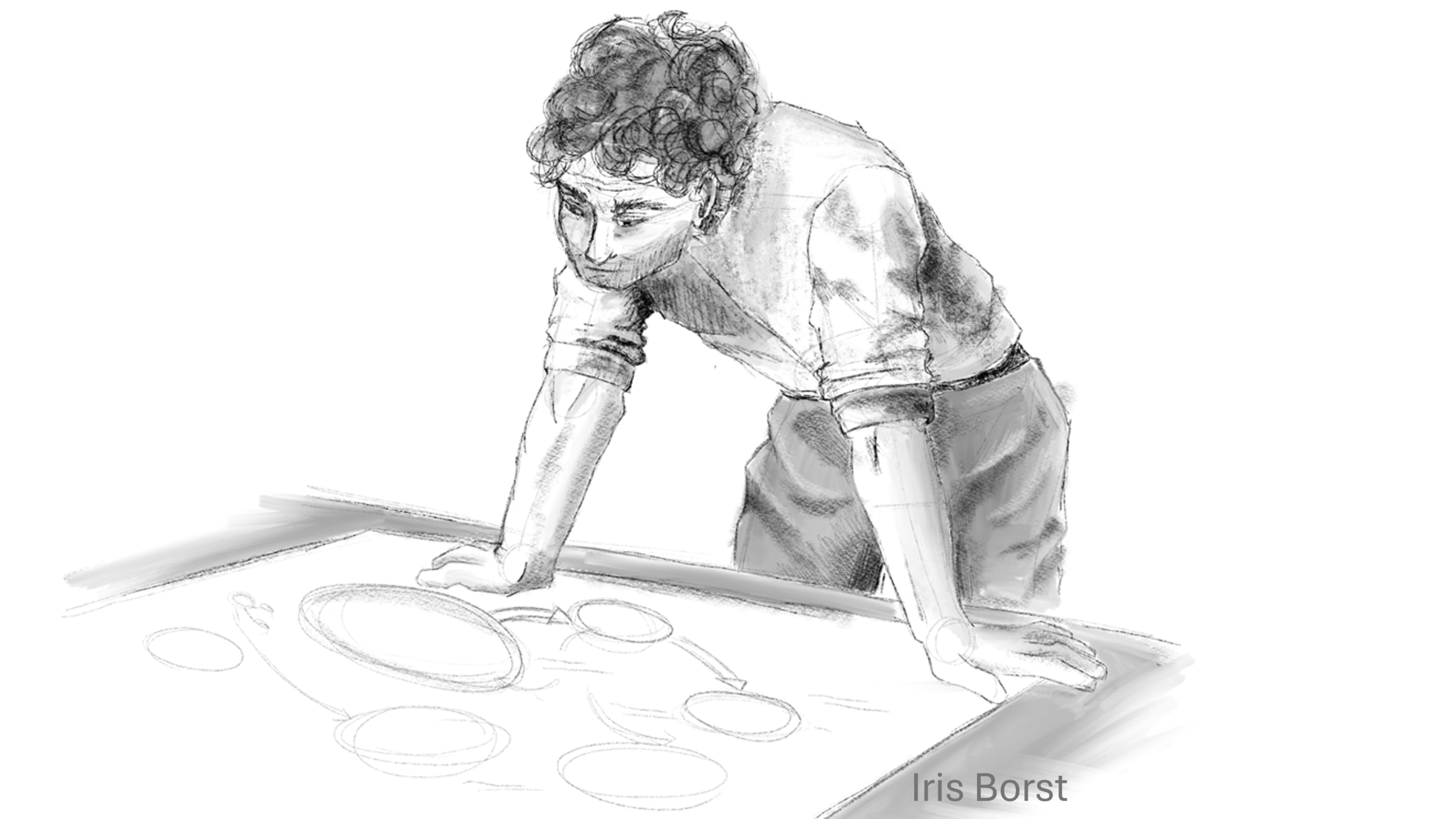
“One of the clearest insights was that designing a circular business model is not simply a technical choice. It is a balancing act between economic constraints, organizational habits, customer desires, and regulatory mandates. This makes models unique to their case, product, or market. Every circular business model becomes a unique puzzle for an organization to solve. By bringing the diverse perspectives together and gathering the (external/internal) information, the puzzle can be laid.”
Science in 3 – Unlocking the loop
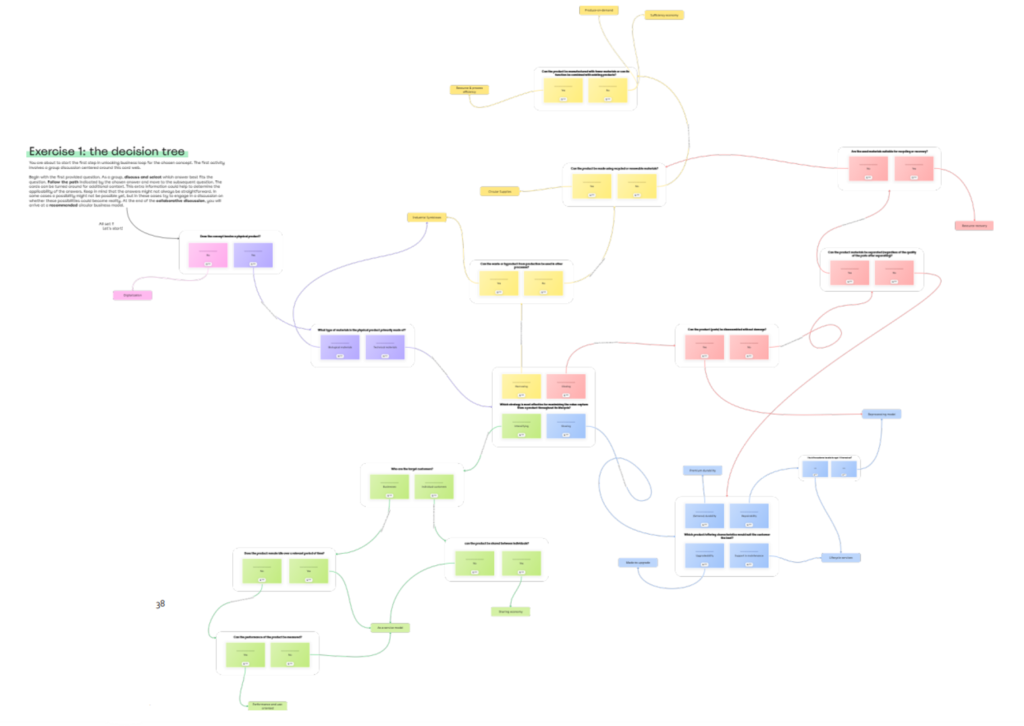
“Circularity does not have to involve radical interventions to trigger changes in the process. Unlocking the loop works by breaking down circular business-model innovation into clear steps. Questions and exercises guide participants in exploring different opportunities and refining the business model. It shifts the mindset from “is this possible?” to “how can we make this happen?” and overcomes blind spots in business model alternatives. It became clear that while circularity may sound complex, the first step toward system change can be surprisingly simple; creating the right conversations, the right tools, and the right reflections at the right moment.”
Iris’ project was supervised by Duygu Keskin (TU Eindhoven), Yuan Lu (TU Eindhoven), Jacopo Parma (ESCH-R Phd), Vikrant Sihag (TU Eindhoven), Margot Honkoop (Philips), Stephanie Resnick (Philips) and assessed by Maral Mahdad (TU Eindhoven).
© All visuals are created by Iris Borst


